

The Highland commitment
The moments that matter.
The care that stays personal.
Senior, hospice & supportive care · Evansville, Indiana
Senior pet care that puts
comfort at the center.
The routines change. The relationship stays. Highland supports older dogs and cats—and pets facing serious illness—with personalized medicine, palliative care, and thoughtful hospice guidance for the people who love them.
Healthy aging is individual
Senior wellness looks beyond
the birthday.
Getting older is a life stage, not a diagnosis. Your pet's history, examination, lifestyle, and changes at home help Highland build a preventive-care plan that fits who they are now.
A clearer health picture
Exams and screening
follow changing needs.
A physical exam and appropriate laboratory screening help us assess health and monitor an ongoing condition. We discuss what each test can tell us and how often your pet should return.
Personal historyPurposeful testing
Comfort in everyday movement
Mobility deserves
a closer conversation.
Hesitating on stairs, changing sleep habits, or no longer jumping to a favorite spot are worth sharing. We assess possible causes and discuss pain care and practical support when indicated.
MovementRest & behavior
The whole daily routine
Nutrition matters
in everyday care.
Weight, eating habits, dental health, medications, and parasite protection still matter. Highland's health risk assessments connect these details to your pet's individual preventive plan.
Healthy agingIndividual risks
Small changes deserve attention—not an assumption that it is “just age.” Tell us what feels different.
Explore preventive careDifferent needs. One shared purpose.
Palliative and hospice care
put quality of life first.
Comfort-focused care is active care. The plan may change as an illness changes, but your pet's wellbeing and your family's understanding remain at its center.
Support during serious illness
Palliative care
alongside the treatment plan.
Palliative care addresses pain, symptoms, and the daily impact of a serious or ongoing illness. It can be appropriate at any age and can accompany treatment intended to manage the disease.
When an illness affects eating, resting, moving, or enjoying familiar routines.
Symptom relief, medication needs, home care, and reassessment as your pet's needs change.
Comfort can remain a goal throughout treatment.
Support near the end of life
Hospice care
with a plan for what changes.
Hospice supports pets with life-limiting illness when care centers on comfort near the end of life. It includes preparing for decline, discussing difficult decisions, and supporting the family through them.
When illness is progressing and your family needs guidance about comfort and the time ahead.
Day-to-day care, signs that need urgent help, follow-up, and humane end-of-life choices.
Planning ahead makes room for informed choices.
The moments you know best
Quality of life
shows in the daily details.
You know the greeting, the favorite place to rest, and the habits that make your pet themselves. Those details help us understand how they are feeling—not just how a test result looks.

Observations to share—not a diagnostic score
- Eating & drinking
- Notice appetite, interest in food, and changes in drinking.
- Comfort & rest
- Share changes in sleep, settling, or signs of discomfort.
- Movement & access
- Watch standing, walking, stairs, and reaching familiar places.
- Connection & interest
- Tell us about greetings, interaction, play, or withdrawal.
- Hygiene & routine
- Note grooming, toileting, accidents, and help your pet needs.
- The pattern over time
- Record what feels comfortable, what is harder, and what changes.
A short journal or a few videos can help. Your veterinarian considers these observations alongside an exam. A checklist alone cannot decide what care—or end-of-life choice—is right.
Do not wait on a routine appointment for a crisis. Difficulty breathing, collapse, or severe distress needs immediate veterinary attention. If Highland is unavailable, contact an emergency veterinary hospital.
Support for the daily routine
Supportive care
for your pet's daily routine.
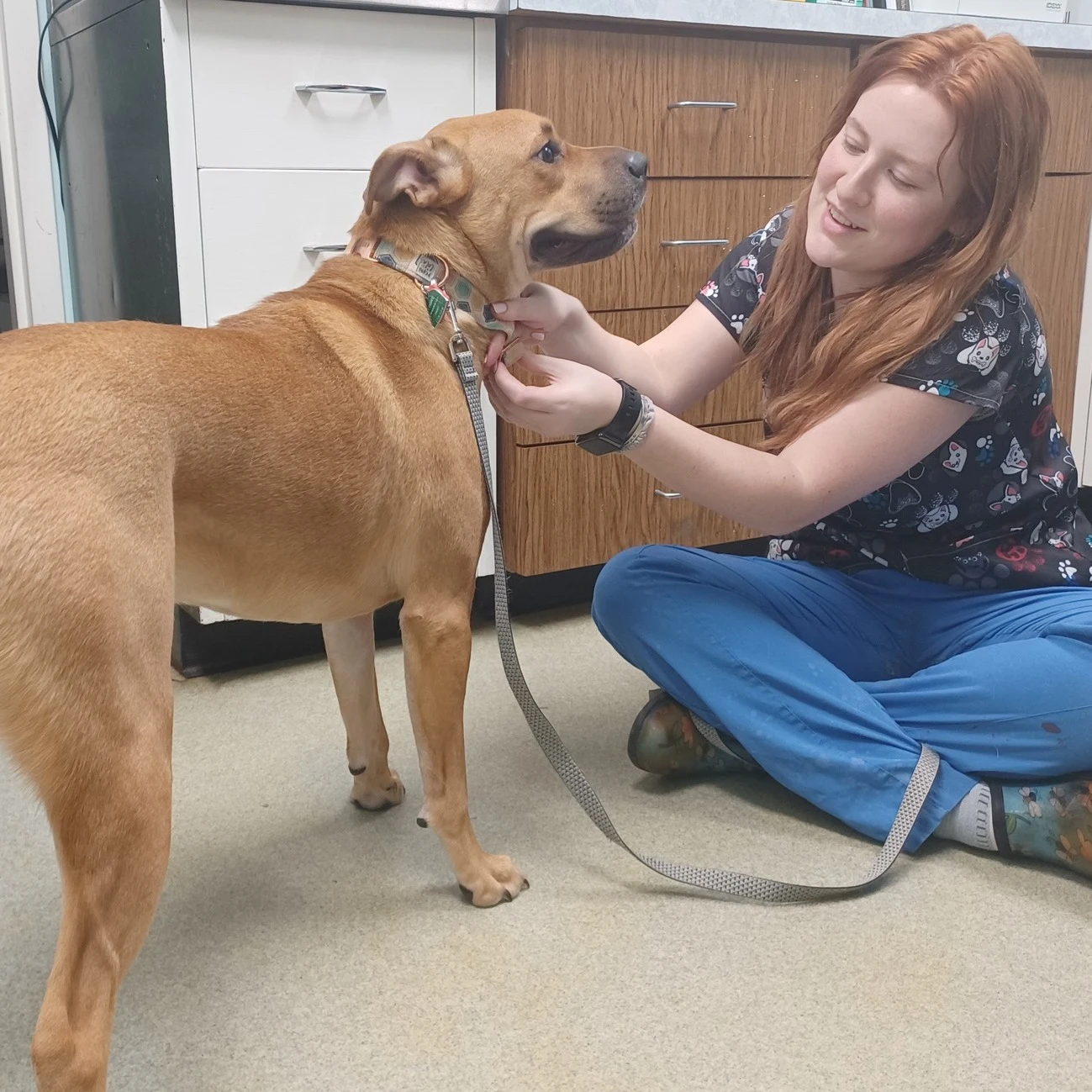
An ongoing condition can change what your pet—and your household—needs. Highland offers nursing support, medical boarding, and grooming options that can be discussed as part of an individual plan.
Medication & nursing needs
Talk with us about medication routines, monitoring, and the practical care your pet requires.
Medical boarding
Ask about a stay suited to pets with conditions such as diabetes, a seizure history, or mobility challenges.
Gentle grooming support
Discuss handling, hygiene, and grooming needs when age, coat care, or a medical condition makes the routine harder.
Eligibility, care requirements, and availability are confirmed with our team before scheduling. Medical boarding is not a substitute for emergency hospitalization.
Compassion includes the family
End-of-life care
for your pet and family.
It is okay to feel uncertain, tired, or not ready for a conversation. We make room for the medical questions and the human ones, with your pet's comfort and your family's circumstances in view.
The person caring for the pet
Caregivers need
care, too.
Tell us what is manageable at home, what is difficult, and what support you have. Time, physical demands, cost, sleep, and emotional strain are meaningful parts of a workable care plan.
Ask about additional support. Highland's hospice information includes end-of-life doula support. A doula offers non-medical guidance; veterinary professionals remain responsible for medical advice and treatment.
Their comfort.
Your connection.
Conversations that matter
A considered plan
for difficult decisions.
We discuss what can still be managed and when suffering can no longer be adequately relieved, including humane euthanasia when appropriate.
Bring your questions about what to expect, who will be involved, and aftercare. Ask our team to explain available arrangements.
Grief has no single schedule. Ask about pet-loss resources and ways to remember your companion that feel meaningful to you.
Start with what you are noticing
Your pet's comfort-care visit
starts with what you notice.
You do not need a perfectly organized history or every answer. A few details help us understand your pet's routine, your priorities, and where support could make a difference.
What has changed
Note when changes began. Bring short videos of movement or behavior that may not appear in the exam room.
The current care routine
Bring medication and supplement names, doses, diet details, and any records from another veterinary practice.
Your pet's familiar joys
Tell us what your pet still enjoys, what is harder, and what a comfortable day looks like to your family.
Your questions & priorities
Share concerns about treatment, care at home, costs, or decisions ahead. We can discuss them together.
A little clarity before your visit
Questions about
later-life care.
Does a senior pet automatically need hospice?
No. Many older pets continue with preventive care and management of individual health concerns. Hospice is considered in relation to a life-limiting condition and the pet's needs—not a birthday alone.
Can comfort care accompany other treatment?
Yes. Palliative care may be provided alongside treatment for an illness. Your veterinarian can explain how symptom management and disease-directed treatment fit together for your pet.
How do we know when it is time?
There is no universal date or online score that can answer this for every pet. We discuss comfort, suffering, response to care, and the pattern you are seeing at home. Contact us when you have concerns; you do not need to work through them alone.
What if care at home feels overwhelming?
Tell the Highland team. We can talk about what your pet needs, what is realistic for your household, and which supportive options may be appropriate. Being honest about your limits helps us make a more workable plan.

Your partners in lifelong animal health
Plan your pet's senior
or supportive-care visit.
Whether you are planning for healthy aging, managing a serious illness, or facing a difficult decision, start with a conversation. Highland is here to help you understand the next step.
6805 Darmstadt Road
Evansville, Indiana 47710