
Veterinary care in Evansville, Indiana
Allergy, pain &
regenerative care.
When itching interrupts rest or movement becomes harder, the little things you notice matter. Highland brings careful assessment, personalized treatment, and a familiar team to your pet's comfort care.
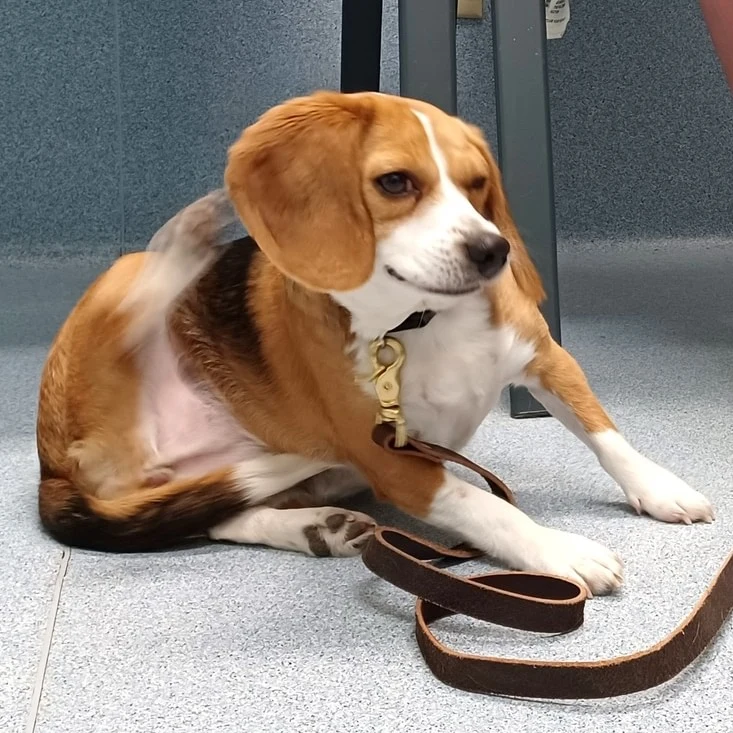

More ease in the
everyday moments.
Different needs. One familiar team.
Allergy & skin care Pain & mobility Regenerative options Knowledgeable yet kind. Clinical yet caring.
Understanding the itch
Allergy care starts with
skin, ears, and history.
Repeated scratching, paw licking, redness, or ear trouble can wear on the whole family. We look beyond the flare-up to understand what may be driving it, then discuss a manageable plan for your pet.
Your observations belong in the plan
The pattern at home
helps guide the examination.
Tell us when the itching started, where it happens, and whether it comes and goes. Bring a history of diets, parasite prevention, and treatments already tried.
- What changes?Skin, ears, paws, coat, or sleep.
- When does it happen?Seasonal flares or year-round concerns.
- What has helped?Previous care and your pet's response.
Start with
what is happening now.
An exam and appropriate skin or ear testing help us look for inflammation, infection, parasites, and other causes of discomfort.
Look at the world
around your pet.
Fleas and environmental allergens can be part of the picture. Your pet's surroundings, preventive care, and pattern of signs help shape the next step.
A diet trial needs
a thoughtful plan.
When food allergy is suspected, a veterinarian-guided elimination diet trial may be recommended. A blood panel does not replace that process.
Relief and follow-up
work together.
Treatment may include itch control, topical care, or addressing an infection. Allergy testing can help guide selected immunotherapy plans; it is not a shortcut to a diagnosis.
Allergy care is often an ongoing partnership. We explain what to watch, what to follow, and when to check back.
Small changes deserve attention
Pain care considers
movement, rest, and routine.
A slower walk or a change in favorite habits is worth a conversation, not simply an assumption about age. Your observations help us assess comfort and decide which care options make sense.
Things to share with the Highland team
Moving with less ease
Hesitating at stairs, getting up more slowly, limping, or jumping less can help us understand a mobility concern. A short video of your pet moving naturally at home can be useful.
Changes in daily habits
Let us know about different sleep patterns, less interest in play, changes in grooming, or trouble using the litter box. Cats may show discomfort through subtle changes rather than an obvious limp.
Changes with gentle handling
New sensitivity, withdrawal, or a different reaction to handling belongs in your pet's history. You do not need to test a sore area at home; describe what you have already noticed.
These changes are clues, not a diagnosis. An examination helps us understand their cause.
A plan with more than one tool
Comfort care is tailored
to the life your pet lives.
Depending on the assessment, a plan may combine medication, weight or activity guidance, practical changes at home, and selected therapies. Follow-up helps us understand the response and adjust care.

Comfort is personal.
The care plan should be, too.
Continuity matters
We look at your pet's comfort over time, with your family's goals and everyday routine in view.
Explore senior & supportive care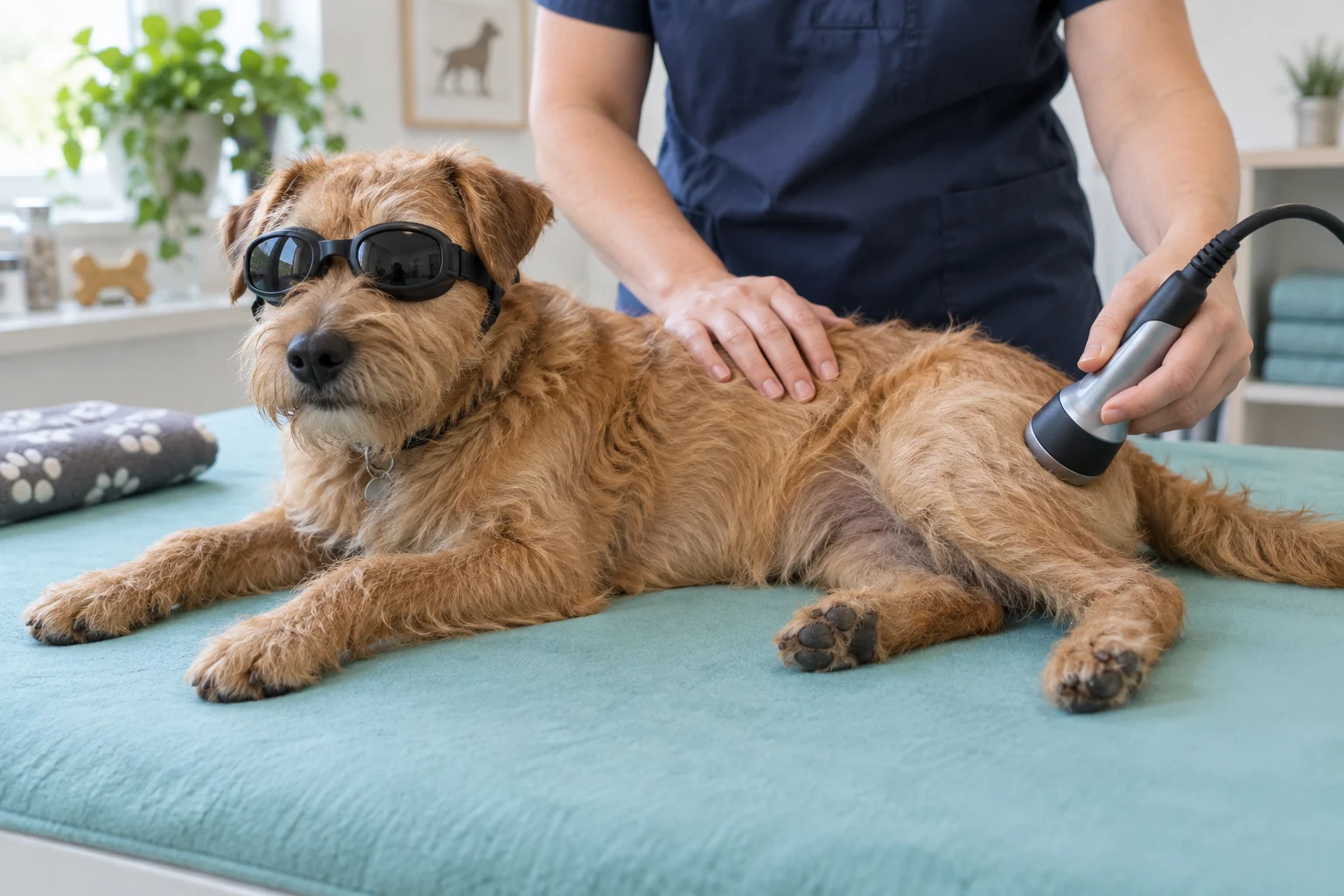
Light-based therapy, carefully considered
Laser therapy can be
part of a comfort plan.
Highland offers non-invasive therapeutic laser care, sometimes called cold-laser therapy. It uses specific wavelengths of light and may be considered alongside other care for selected pain, tissue, or recovery concerns.
We explain why it may be appropriate, what a visit involves, and how we will assess your pet's response.
Laser care does not replace an examination or automatically take the place of medication, diagnostics, or other recommended treatment.
Thoughtful innovation. A genuinely personal plan.
Assessment · Appropriate treatment · Follow-upInnovation with purpose
Regenerative care
is considered pet by pet.
Highland's regenerative-care options include stem-cell therapy and platelet-rich plasma. We start with the condition, the evidence, and your pet's overall health, not with a procedure looking for a patient.
Stem-cell therapy
is assessed for your pet.
This approach uses cells collected from your pet's own fat tissue. Highland may consider it for selected joint or soft-tissue concerns after a clinical assessment.
The tissue-collection procedure, anesthesia considerations, treatment goals, risks, alternatives, and follow-up.
Platelet-rich plasma
has a specific role.
Often shortened to PRP, this treatment uses a platelet-concentrated portion of your pet's blood. It may be considered for selected joint or tissue concerns as part of a broader care plan.
Why PRP is being considered, how it is prepared and delivered, what is uncertain, and how progress will be reviewed.
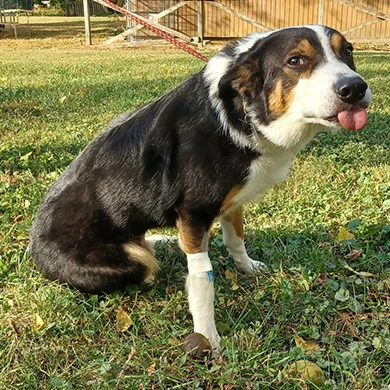
Clear expectations belong in modern care
The goal is better comfort.
The decision stays thoughtful.
Evidence and results vary by condition and treatment. Regenerative care is not a guaranteed cure or the right fit for every pet. We discuss the potential benefits and limitations before you decide.
The appointment is a conversation
Your pet's comfort visit
starts with your observations.
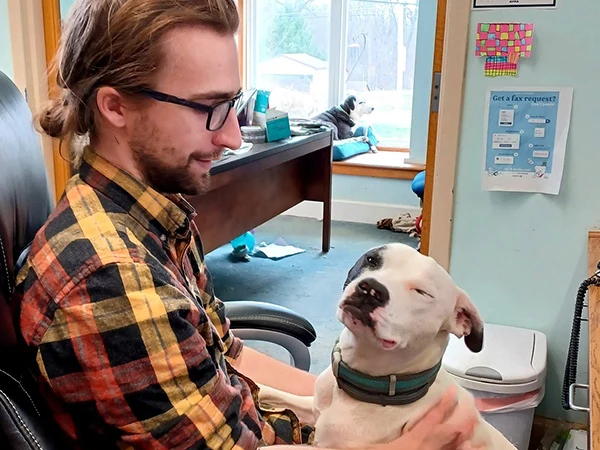
Your pet's story.
A conversation that matters.
Bring the picture from home.
A few notes, photos, or short videos can show changes that are harder to see during an appointment. Tell us how comfort affects walks, sleep, play, and time together.
Share what your pet already uses.
Bring the names of medications, supplements, diets, parasite preventives, and skin or ear products. Let us know about previous testing and treatments, including what helped or was difficult to follow.
Leave with a plan you understand.
We explain the recommendation, alternatives, practical care at home, and the next check-in. Ask about preparation before an allergy or skin visit so we can give instructions for your pet.
A little clarity before the next step
Allergy and comfort care:
answers for your pet.
Does itching always mean an allergy?
No. Parasites, infection, and other skin conditions can also cause itching. The examination and your pet's history help us decide which tests or treatments are appropriate.
Can allergy care be a long-term plan?
Often, yes. Some allergic conditions need ongoing management, with attention to both flare-ups and everyday care. We discuss practical treatment and reassess if a previously helpful plan stops working.
How will we know if comfort care is helping?
We discuss changes to watch for and a follow-up plan. Your notes about movement, rest, and daily habits help the Highland team review the response and decide whether adjustments are needed.
Is regenerative care right for every pet?
No. Suitability depends on the condition, your pet's health, and the available evidence. We explain options, risks, limitations, and alternatives before any decision. The assessment comes first.

Your partners in lifelong animal health
Let's talk about
a more comfortable day.
Tell us what has changed and what matters most to your family. We'll help you understand the next step for your individual pet.
Request an Appointment Call the Highland team(812) 867-66516805 Darmstadt Road
Evansville, Indiana 47710
For a sudden or severe change, call for guidance. If your pet needs urgent care while Highland is closed, contact an emergency veterinary hospital.